



Common Reasons for Tooth Extractions
Our team always prioritizes saving your natural teeth whenever possible. However, when restorative treatments like fillings or crowns aren’t sufficient to repair the damage, tooth extraction becomes necessary to protect your overall oral health.
Severe Tooth Decay
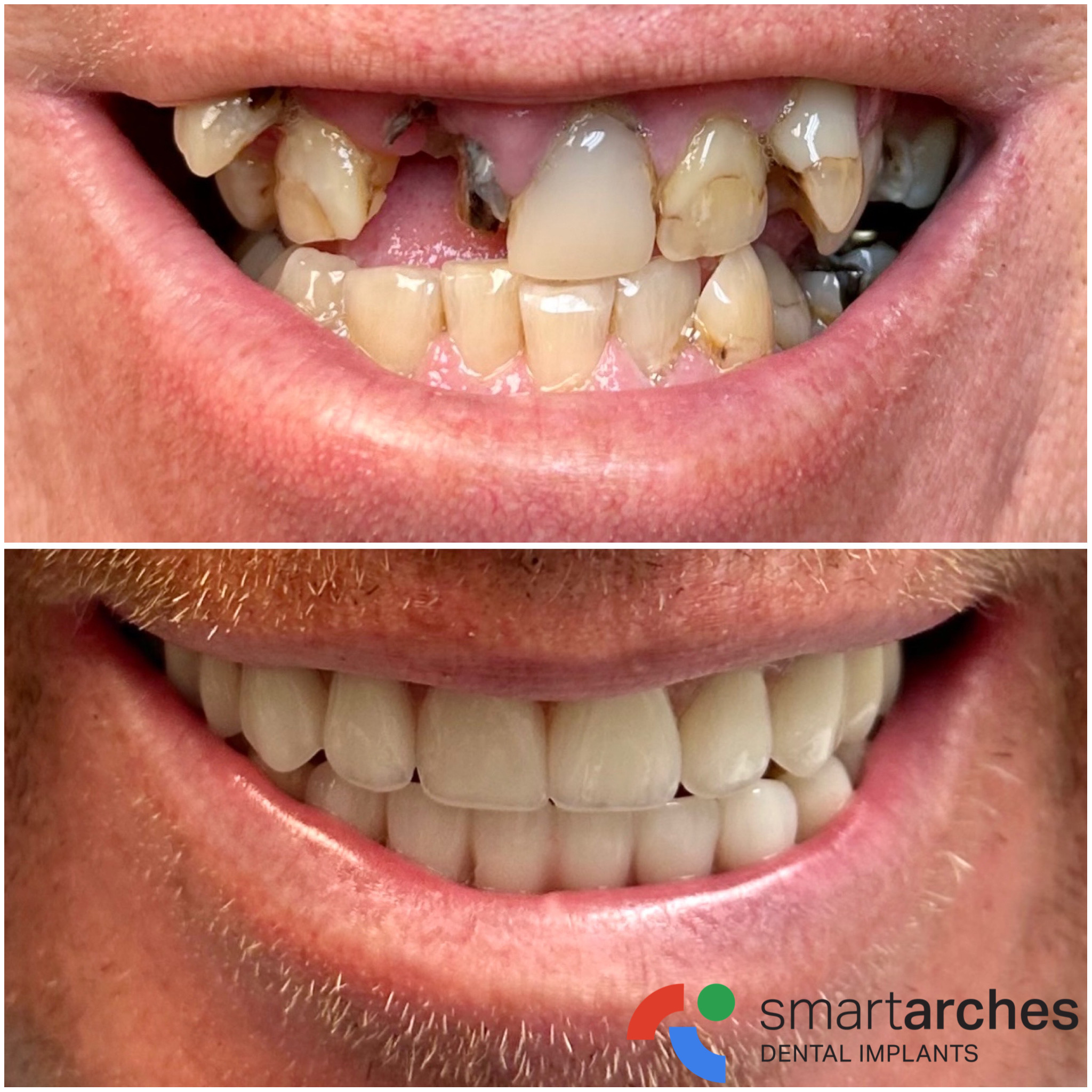
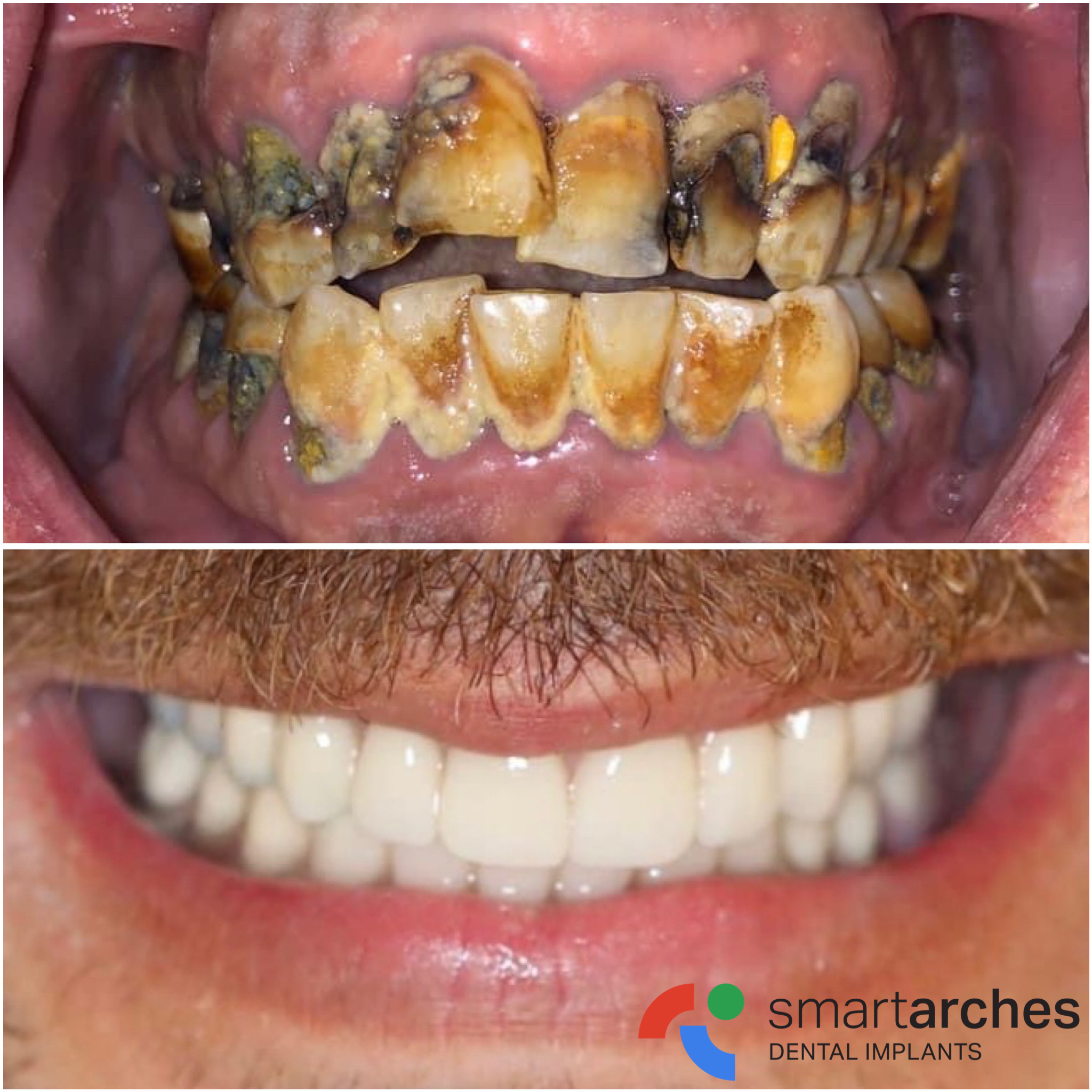
When cavities progress beyond repair, they can cause significant structural damage and weaken the tooth’s foundation. If the decay has reached the tooth’s nerve or created an abscess (deep infection), extraction may be the only option to prevent the infection from spreading.
Advanced Gum Disease
Periodontal disease can severely damage the tissues and bone that support your teeth. When gum disease progresses to the point where teeth become loose or the supporting structures are compromised, extraction helps prevent further damage to surrounding teeth and tissues.
Dental Trauma and Injury
Accidents or injuries can fracture or break teeth beyond repair. When trauma damages the tooth’s structure, nerve, or root system significantly, extraction may be necessary to relieve pain and prevent complications.
Overcrowded Teeth
Sometimes teeth need to be removed to create proper spacing for orthodontic treatment. Extracting certain teeth can help achieve better alignment and prevent overcrowding that could lead to future dental problems.
Impacted Teeth
Impacted teeth, particularly wisdom teeth (third molars), occur when there isn’t enough room for them to emerge properly. These teeth can cause pain, infection, damage to adjacent teeth, or other complications that necessitate removal.
The Extraction Process
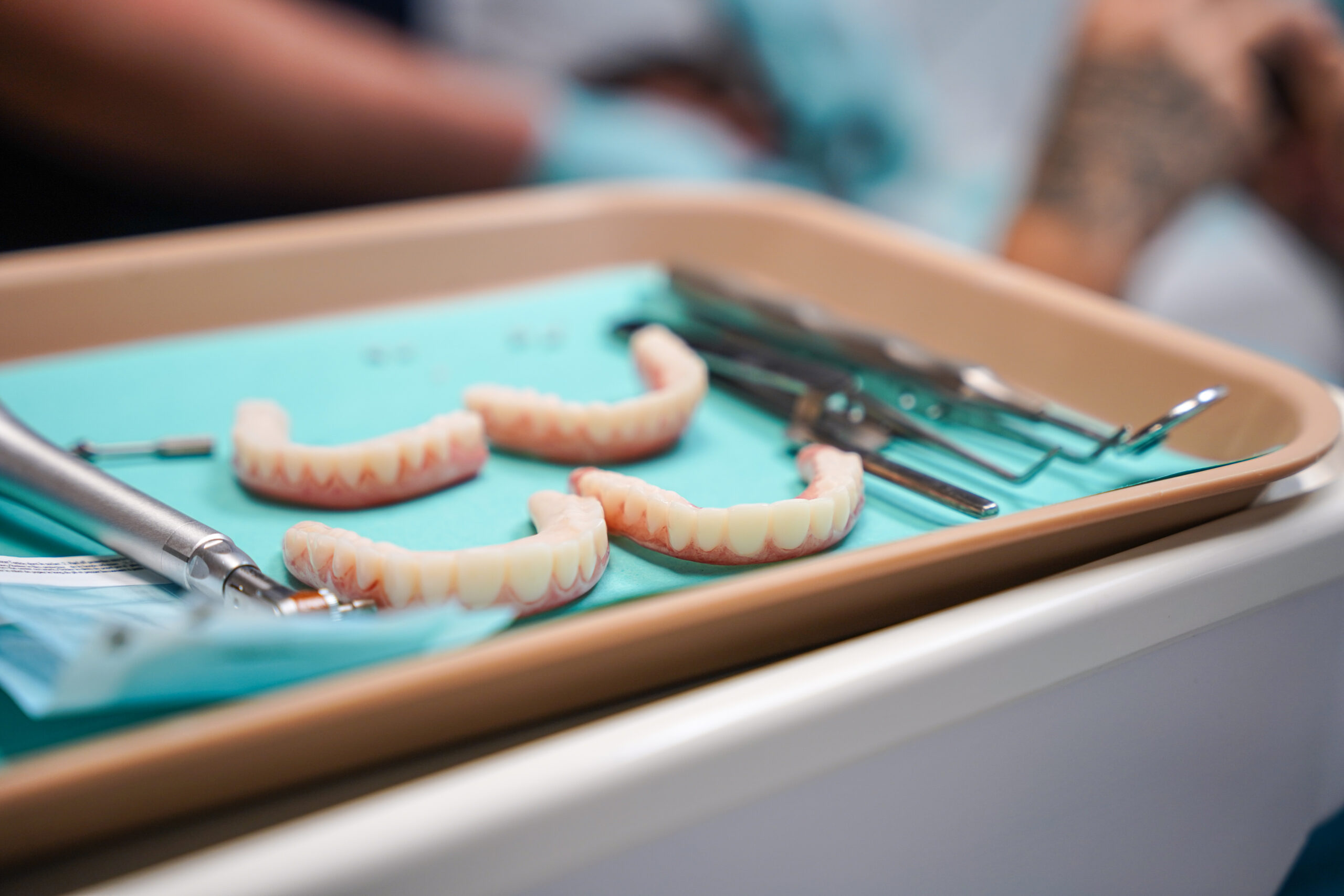
A tooth extraction is a straightforward process that takes places at your provider’s office. Depending on your needs, it may involve removing one or several teeth.
A simple extraction usually takes 20–30 minutes per tooth. More complex cases (such as impacted teeth or surgical extractions) take longer.
- Anesthesia: Your dentist will numb the area with local anesthesia so you don’t feel pain. For more complex extractions, sedation may also be given to keep you relaxed or asleep.
- Loosening the Tooth: Using special dental tools, your dentist gently loosens the tooth in the gum.
- Removing the Tooth: Forceps are placed around the tooth to remove it from its socket. If the tooth is broken, impacted, or difficult to reach, your dentist or oral surgeon may need to make a small incision in the gums, remove some bone, or section the tooth into pieces before removal.
- Cleaning and Protecting the Socket: The empty socket is cleaned and disinfected. In some cases, a bone graft may be placed to help preserve the jawbone. Stitches may also be used, though not always necessary.
- Initial Healing: A gauze pad is placed for you to bite down on, helping form a blood clot that supports healing. Your dentist will provide instructions for managing any discomfort at home.
Can an Implant be Placed the Same Day?
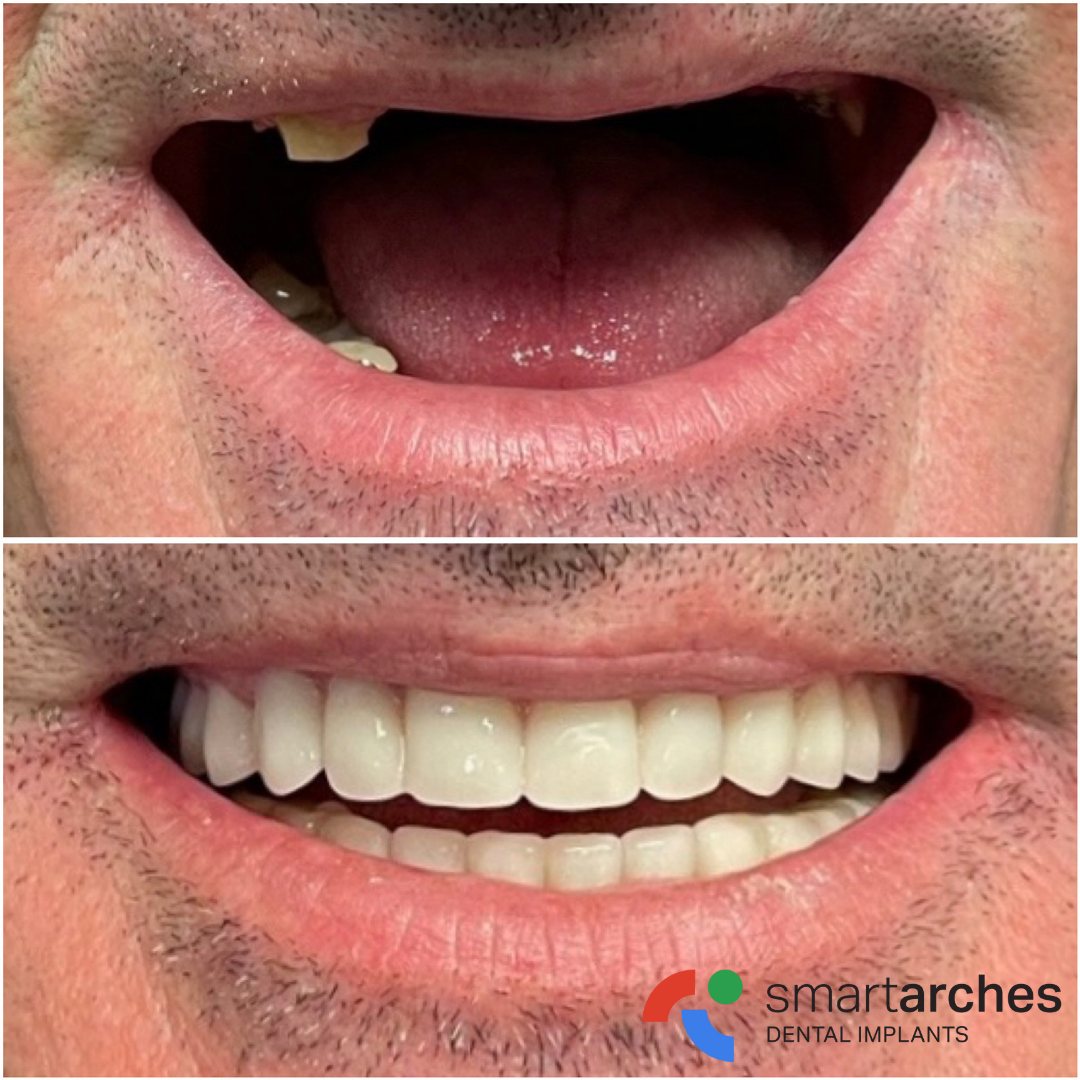
During a same-day dental implant procedure, your oral surgeon will place a secure implant directly into your jawbone to replace a missing or non-restorable tooth. If you have a broken or failing tooth, it can often be removed and replaced with an implant in the very same visit.
Once the implant is placed, a temporary tooth or set of teeth is attached right away, giving you a complete and natural-looking smile before you leave the office. Traditionally, patients would wait months between implant placement and receiving their crown. With same-day implants, your implant and temporary restoration are placed in one appointment, while our restorative dentists later provides your long-term crown or bridge.
After the implant procedure, you’ll enjoy the look and feel of a full smile immediately, but your body still needs time to heal. Over the following weeks and months, a process called osseointegration occurs, where the implant fuses securely with your jawbone. After a period of several months, your permanent teeth are then put in.